

Description
Pinguicula warijia — A Rediscovered Treasure from Mexico
A Remarkable Carnivorous Plant, Lost to Science for Nearly 50 Years!
Meet Pinguicula warijia, an extraordinary Mexican butterwort with a fascinating history of discovery, disappearance, and rediscovery. Native to the remote mountains of Chihuahua, Mexico, this beautiful carnivorous plant was formally described as a new species in January 2023, making it a relatively recent addition to the botanical world.
With its elegant, elongated leaves, beautiful golden-green coloration, and delicate sticky surfaces, Pinguicula warijia is a wonderful addition to any carnivorous plant collection.
🌿 A Beautiful and Distinctive Pinguicula
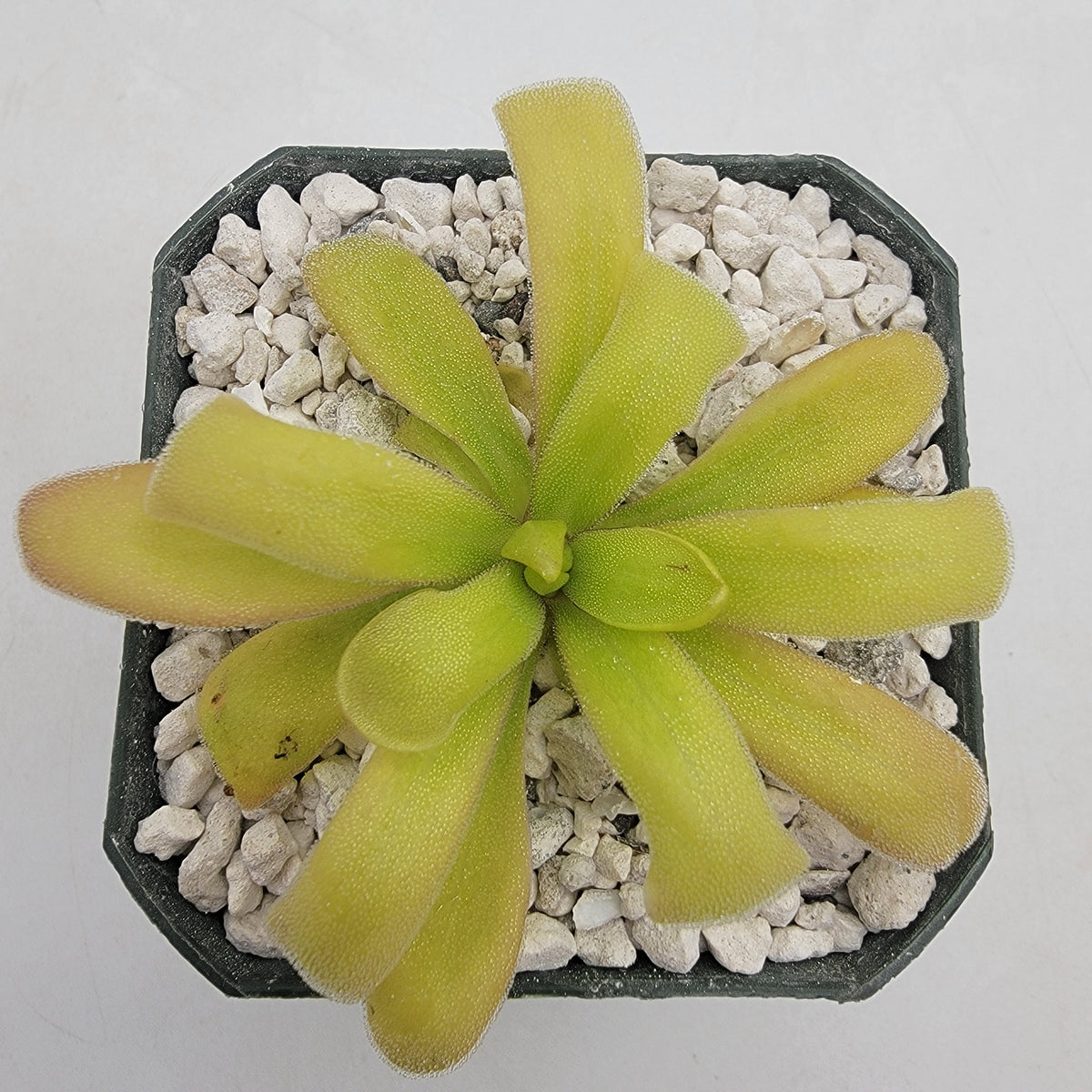
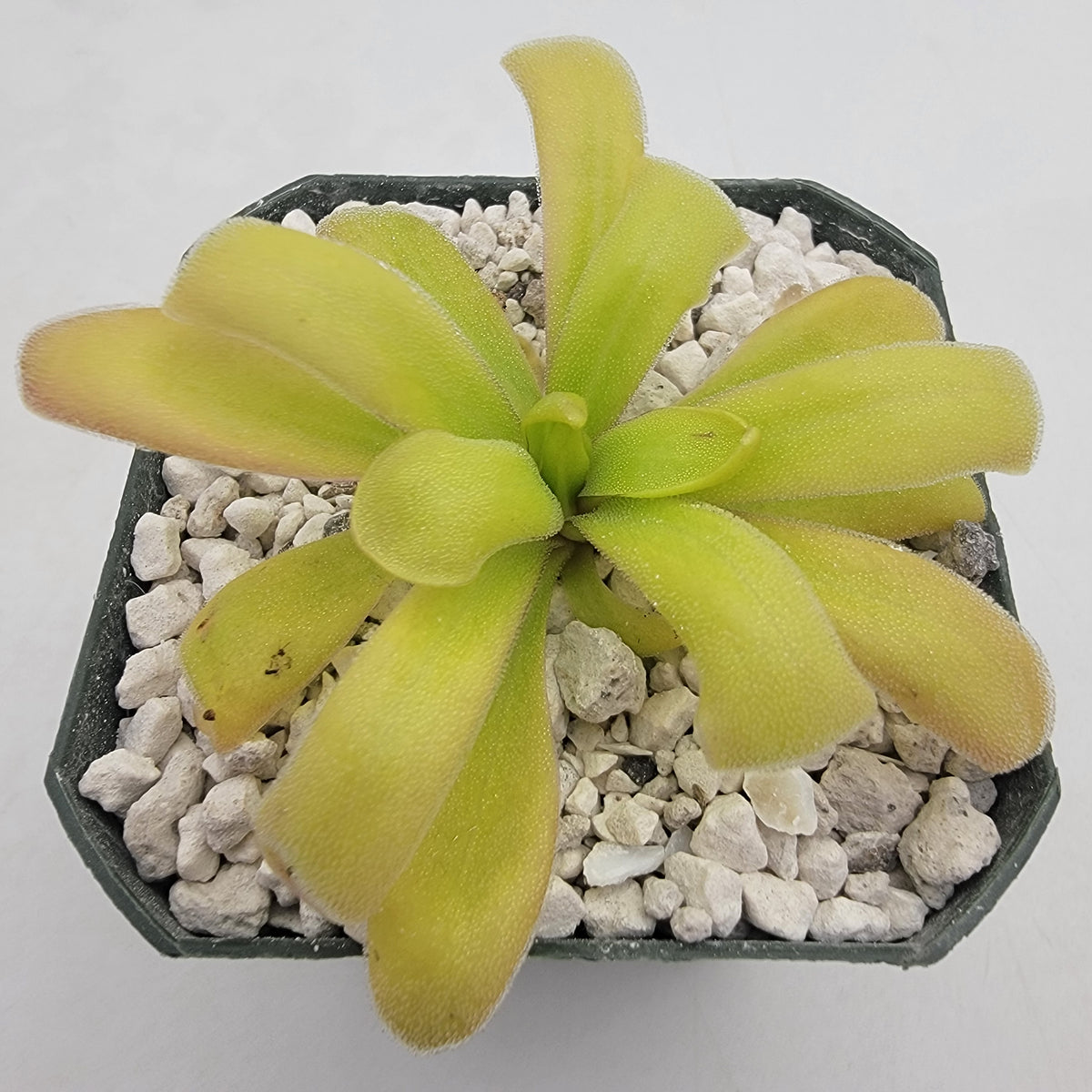
The plant pictured showcases the unique beauty of Pinguicula warijia, featuring:
-
Elegant, Elongated Leaves: Long, paddle-shaped leaves spread outward in an attractive, somewhat open rosette.
-
Beautiful Golden-Green Coloration: A lovely combination of lime green, yellow-green, and warm golden tones, with subtle bronze and peach-colored accents toward some leaf tips.
-
Sparkling Carnivorous Foliage: Its leaves are covered with tiny, glistening glands that produce sticky mucilage to capture small insects.
-
Graceful Growth Habit: Unlike many compact, rounded Mexican butterworts, this species develops a distinctive rosette with longer, spreading leaves.
Its unusual appearance makes it especially appealing to collectors who appreciate the incredible diversity of Mexican Pinguicula.
🌎 An Incredible Story of Discovery and Rediscovery
The history of Pinguicula warijia is just as fascinating as the plant itself!
1972 — The First Discovery
German horticulturist and plant explorer Alfred Lau encountered an unusual butterwort growing in a small cave in the remote Sierra Obscura mountains of Chihuahua, Mexico.
He recognized that the plant might represent an undescribed species, but the collected specimens did not survive, and there was insufficient preserved material to formally name it.
1997 — Another Attempt
Twenty-five years later, Lau returned to the region and collected seeds, which were sent to British Pinguicula enthusiast Stan Lampard.
The seeds successfully germinated, and the plants eventually flowered. Unfortunately, a fungal infection destroyed the cultivated plants before the species could be formally described.
2022–2023 — Rediscovered and Finally Given a Name!
After decades of uncertainty, botanists successfully relocated and studied the mysterious butterwort in the Arroyo Babarocos canyon of Sierra Obscura in June 2022.
On January 10, 2023, the species was officially published under the name Pinguicula warijia.
The species was formally described and named by four botanists:
-
Sergio Zamudio
-
Martín Mata-Rosas
-
María Magdalena Salinas-Rodríguez
-
Julián Hernández-Rendón
Their collaborative research helped bring this remarkable plant into the scientific record, nearly five decades after its initial discovery.
The name warijia honors the Warijó (Warijío) Indigenous people of the region, recognizing their cultural connection to the land where this species grows.
🏔️ A Fascinating Natural Habitat
In the wild, Pinguicula warijia inhabits rocky environments in the Sierra Madre Occidental of northern Mexico.
One particularly fascinating observation is that some plants were discovered growing upside down from the ceilings of small caves and rocky overhangs!
These plants naturally inhabit moist, calcium-rich deposits where water continuously seeps or flows across the rocky surfaces.
Unlike many Mexican Pinguicula that develop a compact succulent rosette during the dry season, Pinguicula warijia is considered homophyllous, meaning it maintains the same general type of carnivorous leaves throughout the year.
Like other butterworts, it uses its sticky leaves to capture tiny insects, supplementing the nutrients available in its natural environment.
Please Note: Because Pinguicula warijia is relatively new to cultivation, its ideal growing requirements are still being studied. These recommendations are based on its natural habitat and should be treated as preliminary guidelines.
PLEASE READ: The plants are about 1-1.5" in diameter.
PLEASE READ BELOW: ▼ ↓ ▼
It is strongly recommended to get a heating pack during the winter to protect your plant from low temperatures, we are not responsible for dead plants that did not have a heating pack during transit. 1 heating pack per order is enough.
🌈🌿 Pinguicula (Butterwort) Care Guide
• Small insects
• Fish food flakes
• Schultz cactus fertilizer (follow bottle directions)